Private Real Estate Partnerships · California RCFE

Real cash flow from an operator who lives the business.

Carehome Capital partners with a small circle of private investors to acquire and operate residential care facilities for the elderly across California. Operator-led by Sterling Jones — a licensed paramedic, 10+ years in senior care, and a 47-bed portfolio that speaks for itself.

25%+
Portfolio Net Cash Flow Margin
47
Beds Owned & Managed
8+
RCFEs in Portfolio
Zero
Compliance Issues, All Sites
Current Deals

Active opportunities. Pick your entry point.

Three active opportunities, all business-only. Ready-now for investors who want immediate cash flow, multi-month for partners who want to help us acquire, and a larger commercial play for longer-horizon capital.

Deal Timeline Capital Equity Target CoC Type
Concord RCFEOperating at peak Ready Now $430K 50% to 1–2 investors ~26% Biz Only
Dual RCFE AcquisitionTwo homes, one lot 5–8 months $800K 75% LP / 25% GP 25% Biz Only
Commercial 10-Bed5,000+ sqft, expandable 12 months ~$1M TBD TBD Biz Only
5–8 Month Timeline

Dual RCFE Acquisition

Two Homes · One Lot · Business-Only

Why now: twin-home RCFE lots rarely come to market in California — economies of scale on staffing, land, and management that can't be replicated by buying two homes separately.

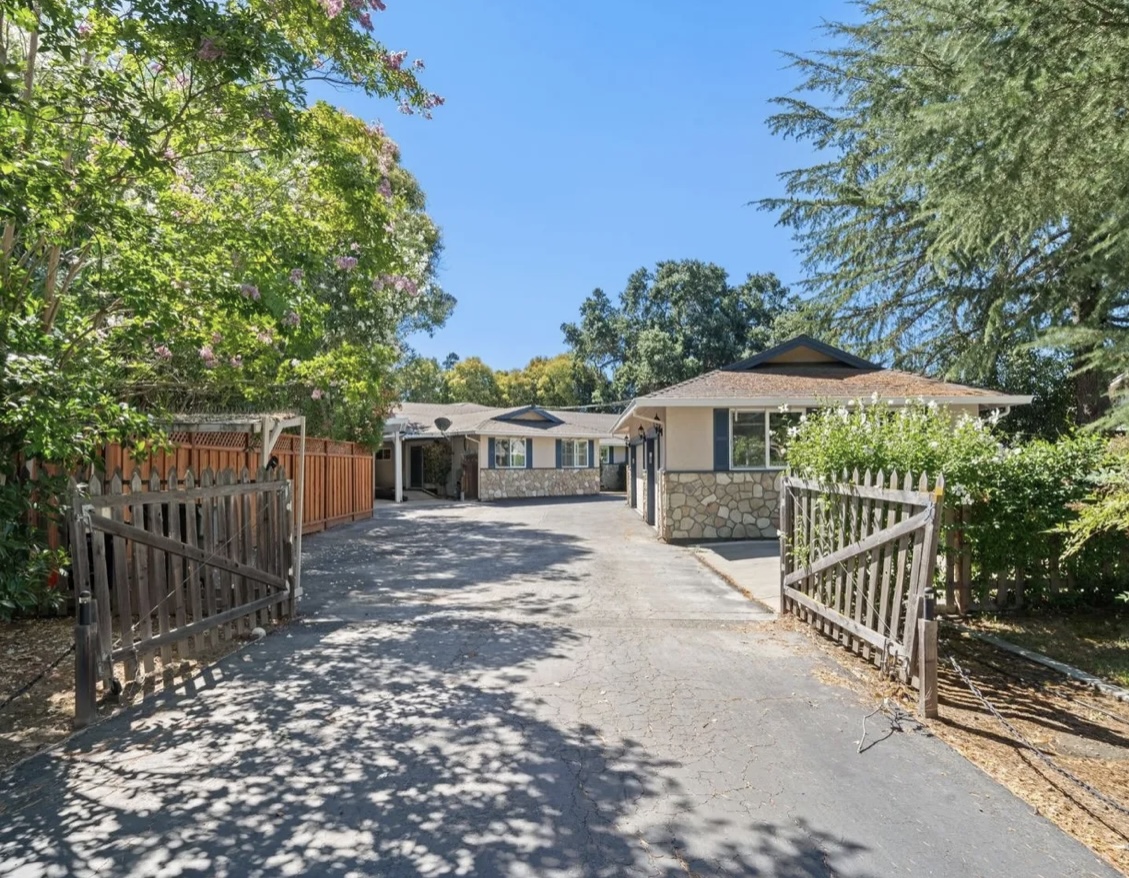
A rare two-for-one: main house and secondary home on the same property. Fully operational — just needs purchase and takeover.

Main House
3,200 sqft · 6 private bedrooms · large communal area · backyard oasis
~$45,000 / month revenue
Secondary Property
1,200 sqft addition · 5 bedrooms
~$34,000 / month estimated
Capital Raise
$800,000
Target CoC
25%
LP / GP Split
75 / 25
Combined Rev
$940K+/yr
Cash Flow
$269K/yr
Type
Biz Only
Min Check$200K
Hold5–7 yrs
Use of FundsAcquisition + built-in working capital for takeover
StatusFully operational · turnkey
Risks & mitigants

Staffing. Mitigated by our live-in model: staff get free housing, food, and utilities on top of wages — an effective raise for them, and 24/7 on-site redundancy for the partnership. No call-out risk.

Transition. Since both homes are already operating, there's no stabilization or lease-up period. We take over operations and cash flow starts immediately.

Minor terms may adjust during final due diligence based on market or facility updates.

Join Waitlist for This Deal
12 Month Timeline

Commercial 10-Bed Facility

Bay Area · Business-Only · In Negotiation

Why now: our first commercial-scale acquisition — the operating playbook we've refined at the 6-bed level, applied to a facility purpose-built for efficiency at 10+ beds.

Early access teaser. Details limited while negotiations proceed. Join the waitlist below and note this deal — we'll contact you directly with full underwriting when terms are finalized.

The Facility
5,000+ sqft commercial · licensed for 10 beds with expansion potential · live-in staff model
~$1.1M+ / year at 10 beds
Purchase Price
~$1M
Type
Biz Only
Size
5,000+ sqft
Beds
10 (expandable)
Model
Live-In Staff
Status
Negotiating
Min CheckTBD
Hold5–7 yrs (projected)
StructureTBD — finalizing with seller
Timeline12 months to close

Join the waitlist and state this deal to get first look when terms finalize.

Join Waitlist for This Deal
The Carehome Capital Edge

Why our cash flow is different.

Any investor can buy an RCFE off BizBuySell. The difference is how it's run. Three things we do that most operators don't:

01

Live-in staff model

Our caregivers live on-site with free housing, food, and utilities. That's $2–3K+ in monthly compensation value that isn't wage — which means lower payroll taxes for the partnership (FICA, FUTA, SUTA, workers comp all drop) and an effective raise for staff. Win–win. Higher retention, more reliable care, better resident outcomes.

02

1:3 staff-to-resident ratio

Industry norm in small RCFEs is 1:6 or worse during daytime — one caregiver covering an entire home. If they call out, service fails. Our ratio means redundancy. No single point of failure. No agency-shift scramble. No family-complaint Monday-morning calls.

03

24/7 on-site coverage

Live-in means someone is always there — not a shift worker who can no-show, get stuck in traffic, or burn out and quit with 48-hour notice. That's the reason our homes stay occupied. Families can feel the difference on a tour, and they pick the home that actually cares.

What Our Investors Say
Working with Sterling is different. He's not a spreadsheet guy who bought a carehome — he's a clinician who built an operating company. He knows the residents by name, he knows the staff by name, and he underwrites deals the way an operator does: with the actual cost of running a home, not a pro-forma pulled from a template. The homes perform because he runs them like his reputation depends on every single one. Because it does.
Roan Farsab
Limited Partner · Concord RCFE
Meet the Operator

Built by an operator. Backed by a licensed clinician.
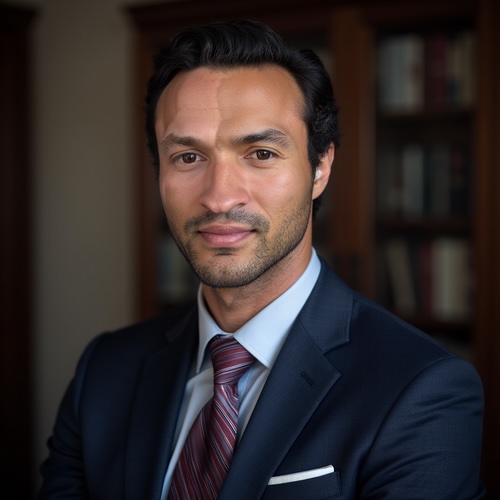
Sterling Jones, Founder of Carehome Capital
Sterling Jones
Founder · Licensed Paramedic

I'm Sterling Jones — Founder and Operator of Sterling Estates, and the GP behind Carehome Capital.

Before launching Sterling Estates, I spent nearly a decade as a licensed paramedic. That background shaped how I lead: calm under pressure, outcome-focused, and committed to safety and integrity. It's also how I learned this industry from the inside — walking into homes at the worst moments of people's lives, and seeing over and over what great care looks like versus what happens when it's missing.

Today I operate multiple licensed RCFEs in Contra Costa County, handling acquisition, licensing, staffing, and day-to-day operations myself. Our homes consistently run at high occupancy and deliver 25%+ net cash flow margins — driven by tight operational discipline and hands-on leadership. Every facility is fully licensed, in good standing, and operated with zero compliance issues.

Carehome Capital is how I bring a small circle of outside partners into that same playbook. We acquire private-pay RCFEs in California, professionalize operations, and scale a recession-resilient portfolio through reinvestment and strategic acquisitions. You get an operator running your capital — not a manager running a spreadsheet.

10+ yrs
Senior Care Experience
4+
RCFEs Owned
4+
RCFEs Managed
47
Total Beds (Owned + Managed)

— Sterling Jones

Zero compliance issues

Every Sterling Estates facility is fully licensed and in good standing with California DSS. Clean regulatory record across the portfolio. Care quality and compliance are non-negotiable.

Operator-led

I personally manage acquisition, licensing, staffing, and day-to-day operations. Not outsourced. Not delegated. That's why our margins hold where other homes slip.

Conservative underwriting

We underwrite to the same 25%+ net cash flow margin and high-occupancy assumptions our existing portfolio already hits. No pro-forma fairy tales.
Why RCFE

The most mispriced cash-flow asset in California real estate.

Multifamily is picked over. Storage is institutionalized. Small residential care — 6-bed RCFEs with live-in staff — is still a mom-and-pop business in an asset class families will pay a premium for. That's our edge.

01

A demographic wave that can't be stopped

The 85+ population in the U.S. is projected to nearly double by 2040 — the fastest-growing age cohort in the country. 10,000 Americans turn 65 every single day. Demand isn't a forecast. It's a demographic certainty.

02

Families prefer homes, not hospitals

Given the choice, families pick 6-resident homes over 200-bed institutional facilities — every time. Better ratios, more dignity, quieter environment. And typically cheaper than large assisted living with comparable care.

03

Cash flow like nothing else in RE

A well-run 6-bed RCFE produces $250K–$300K+ of annual net cash flow on a single-family-home-sized property. No other residential asset class comes close on a per-door basis.

04

Fragmented, inefficient market

Most California RCFEs are owned by individual operators with no succession plan and no cost discipline. We acquire quietly, professionalize operations, and keep distributing cash.

73M
Americans 65+ by 2030
U.S. Census Bureau
~70%
Of 65+ will need long-term care
HHS / Administration for Community Living
$6,200
Median monthly RCFE rate, CA
Genworth Cost of Care Survey
Track Record

Homes we own. Performance that's proven.

The operating portfolio behind every Carehome Capital deal. These are homes we're already running — not projections.

See Current Deals →
Lane Drive RCFE in Concord, California
[ Save photo to
images/lane-drive-concord.jpg ]
Owner-Operated

Lane Drive RCFE

Concord · California · 6-Bed
Model
6 Private Rooms
Care Type
Memory & Assisted
Occupancy
90%+
History
Multi-Year

A flagship Sterling Estates home — six private rooms, memory care and assisted living, with 90%+ stabilized occupancy sustained over years. The blueprint for the Carehome Capital operating playbook.

Operating

Concord RCFE

Concord · California · 6-Bed
Monthly Revenue
$58.2K
Annual Revenue
~$700K
Capacity
At Peak
Care Model
Live-In

Six private resident rooms with a dedicated 3BR/2BA live-in staff suite upstairs. Fully licensed, stabilized, and operating at peak capacity with consistent month-over-month revenue.

Portfolio

Sterling Estates Platform

Contra Costa County · California
RCFEs
8+
Total Beds
47
Net Margin
25%+
Compliance
Zero Issues

The operating company behind every Carehome Capital deal. 8+ RCFEs (owned and managed), 47 beds total, consistent 25%+ net margins, and zero regulatory issues across the portfolio.

How It Works

From first call to your first distribution.

We don't have a deal waiting for you on day one — and that's a feature, not a bug. Good acquisitions take time to find. Here's exactly what working with us looks like.

1

Intro Call

30-minute conversation to understand your goals, timeline, and target capital.

2

Alignment

I share our thesis, current pipeline, and prior deal terms so you know exactly what to expect.

3

Letter of Intent

You sign a non-binding LOI confirming interest and target check size. No money moves yet.

4

Deal Identified

When we close on a home that fits, LOI partners get first look with a full underwriting packet.

5

Fund & Close

Sign the operating agreement, wire capital to escrow. Typically 7–10 days from commitment.

6

Operate & Distribute

We stabilize and run the home. You receive distributions and updates on a set cadence.

A realistic timeline: From first call to first distribution typically runs 3–9 months, depending on when the right home appears. Signing an LOI doesn't lock up your capital — it gets you to the front of the line when a deal closes. Deals don't happen on demand, and that's how we keep underwriting standards high.
The Long Game

A purpose-built 40–100 bed facility.

Beyond these active deals: a larger, purpose-built assisted-living facility designed from the ground up on the operating playbook we've refined at the 6-bed level. Currently in early planning — larger commitments welcome. Let us know on your intro call if this horizon matches yours.

Investor FAQ

Answers before you ask.

What's the minimum investment?
Minimums are set per-deal. The ready-now Concord deal is $400K for 50% equity (1–2 investors only). Our upcoming dual-RCFE acquisition raises $800K across a small group of partners. The commercial 10-bed deal is ~$1M total. Across all deals we run small circles — typically 2 to 5 partners per home — so each investor has a meaningful stake and direct operator access.
How quickly does my capital get deployed?
Not immediately — and that's intentional. After our intro call you'll sign a non-binding Letter of Intent confirming interest. When we close on the next qualifying home, LOI partners get first look with full underwriting. Typical timeline from first call to first deployment is 3–9 months depending on deal flow. If a deal isn't right, you pass — no pressure.
How long is my capital committed once a deal closes?
Plan on a 5–7 year hold per home. We begin cash distributions as soon as the home stabilizes (typically within 90–180 days of close). The business plan for each home is spelled out in that deal's operating agreement.
How often do I receive distributions?
Monthly cash distributions once the home stabilizes — split pro-rata based on each partner's equity share. Quarterly investor updates on operating performance, and an annual K-1 for tax purposes.
How are deals structured? What's the split?
Every deal is its own LLC and equity splits vary by deal size and risk profile. The Concord ready-now deal is 50/50 between the 1–2 investors and Carehome Capital. The dual-RCFE acquisition is structured 75% to LPs / 25% to GP. Every deal is pro-rata monthly cash with no preferred return — we share upside and timing equally from day one, which keeps everyone aligned. Specific splits, waterfalls, and reporting terms are documented in each deal's operating agreement.
What does "business only" mean?
Several of our deals are structured as business-only acquisitions — you're investing in the operating company (the LLC that runs the RCFE, holds the license, employs the caregivers, and collects resident revenue) rather than the underlying real estate. The operating business is where the cash flow actually gets generated, and separating it from the real estate keeps the investment lean and the returns strong. Real estate is typically held separately. We'll walk through exactly how each deal is structured on the intro call.
Do I have to be an accredited investor?
We work with investors we have a direct, pre-existing relationship with — accredited or not. Our deals are private, relationship-based partnerships rather than registered public offerings. During the intro call we'll confirm the structure of the specific deal you'd participate in and the appropriate investor suitability requirements for it.
What are the tax implications?
You'll receive a K-1 reflecting your share of income, depreciation, and pass-through tax benefits. Real estate depreciation often meaningfully reduces the taxable income on your distributions. Always consult your CPA on your specific situation.
What are the main risks?
RCFE investments carry operating risk (occupancy, staffing, resident turnover), regulatory risk (California Title 22 licensing, staffing rules), real estate risk (property values, interest rates), and liquidity risk (these are private partnerships with no secondary market). Each deal's operating agreement includes a full risk disclosure. Past performance does not guarantee future results.
Why invest with you instead of a fund?
Most senior-care funds are capital stacks without operators. We're the opposite — an operator with a small circle of partners. You get direct alignment with a paramedic-founder who runs the homes, a real view into each specific deal rather than a blended blind pool, and a GP whose reputation depends on each home performing.
Partner With Carehome Capital

Two ways to take the next step.

Join the investor interest list for first-look access to upcoming homes, or schedule a 30-minute call directly with Sterling.

Join the Investor List

First look at every new Carehome Capital deal, before it goes to anyone else. No obligation — just gets your name to the front of the line.

Schedule a Call with Sterling

Skip the email chain. Book a 30-minute conversation directly on Sterling's calendar.

  • 30 minutes, no pitch deck ambush
  • Review the current pipeline together
  • Get your questions answered by the operator himself
  • Decide if we're a fit before any paperwork
Book 30-Minute Investor Call →

Prefer email? Reach Sterling directly at
Sterlingjones@sterlingestates.org